

Clot formation in blood gas samples can be a result of errors in the preanalytical phase of arterial blood gas analysis. If the anticoagulant in a blood gas syringe isn’t completely dissolved in the blood sample, blood clots may form in the sample. When your blood sample is clotted, then consider it unsuitable for analysis. [1]
Outcomes of clotted blood samples
Clots in the blood gas sample can lead to two outcomes.
First, blood clots can block the pathway of the blood gas analyser, leading to analyser downtime.
Second, the blood gas analyser may produce inaccurate results. This applies for the clotted blood sample and for succeeding samples until the clot has been removed from the analyser. [2-3]
Reduce the risk of clots in blood samples with adequate manual mixing
Inadequate mixing increases the risk of clot formation in the sample. Mixing your blood sample adequately after collection reduces the risk of blood clots.
When the sample is free of air bubbles, mix the anticoagulant and blood sample adequately. The heparin in the sample needs to dissolve in the blood to reduce clot formation. The recommended technique suggests rolling the syringe between your palms. Then gently and repeatedly invert it vertically. [3-4]
Your solution to reducing clotted blood samples lies in the mixing ball.
At Radiometer, we designed the safePICO blood gas syringe to help you adequately mix your sample. The syringe reduces the risk of your blood sample clotting.
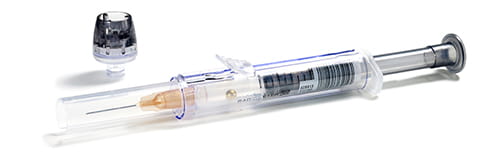
After sample collection, the built-in mixing ball in the syringe helps you produce a homogeneous sample without clots.
The safePICO syringe helps you reduce the risk of other preanalytical errors. In addition to a clotted blood sample, examples of such errors are haemolysis, an air bubble in the sample, needlestick injuries and patient-sample mix-up.